Capitalism and neoliberalism are economic systems that prioritize free market competition and the pursuit of profit. While both systems have been successful in driving economic growth and innovation, there is growing concern about the negative impacts that they can have on society. In particular, capitalism and neoliberalism have been criticized for promoting cultural isolation, classism, and ableism, which can negatively impact mental health.

These economic systems may contribute to cultural isolation through their emphasis on individualism and competition. In these systems, individuals are often encouraged to prioritize their own success and to compete with one another for resources, such as job opportunities, education, and financial success. This focus on individual achievement can lead to a lack of social connections and a sense of isolation from the community.
Both capitalism and neoliberalism may also contribute to classism by promoting economic inequality. In these systems, individuals are often rewarded for their productivity and success, which can lead to a widening gap between the rich and the poor. This economic inequality can create feelings of social disadvantage and can contribute to classism, as those with less economic power may be discriminated against or marginalized.

One way to further understand the negative impacts of capitalism and neoliberalism on mental health is by looking at data on income inequality and poverty rates. According to a World Bank report, countries with higher levels of income inequality, such as the United States, tend to have higher rates of poverty and lower average life expectancies. Studies have also shown that economic inequality can have a significant impact on mental health outcomes. For example, a study published in the American Journal of Public Health found that individuals living in poverty are more likely to experience poor mental health and have higher rates of mental illness.
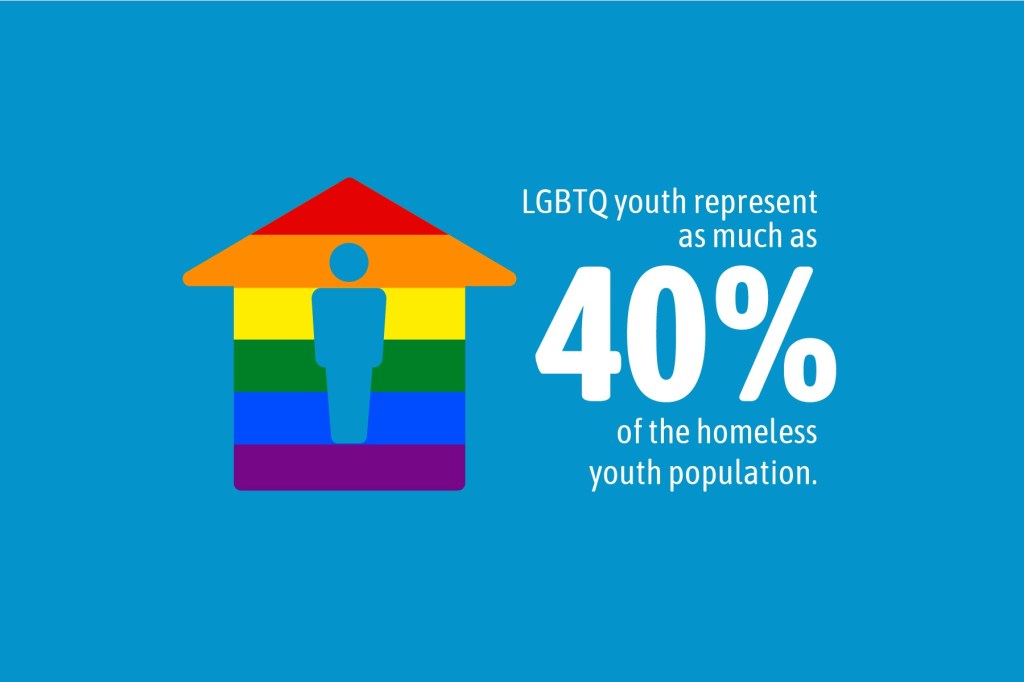
However, it is important to note that these negative impacts are not experienced equally by all individuals. Different groups, including racial and ethnic minorities, women, and LGBTQ+ individuals, may face unique challenges and barriers due to intersecting forms of discrimination and oppression. Therefore, it is crucial to consider these diverse perspectives and incorporate them into the analysis of the impacts of capitalism and neoliberalism on mental health.
To further understand the impacts of capitalism and neoliberalism, it is important to consider diverse perspectives and research from a variety of sources. For example, scholars such as Karl Marx and David Harvey have argued that capitalism and neoliberalism can contribute to social and economic inequality and can lead to the exploitation of marginalized groups. Other researchers, such as Joseph Stiglitz, have also noted the negative impacts of neoliberal policies on income inequality and social disadvantage.
To address the negative impacts of capitalism and neoliberalism on mental health, there are several potential solutions that could be considered. One approach is to invest in social policies and community-based interventions that can provide support and resources to individuals and communities. This may include initiatives such as universal healthcare, affordable housing, and education, which can help to mitigate the negative impacts of these economic systems on mental health.

This could involve the implementation of policies such as progressive taxation, social welfare programs, and worker cooperatives, which can help to redistribute wealth and power and promote more equitable outcomes. Additionally, addressing structural inequalities and promoting social justice and inclusion can also be important in addressing the negative impacts of capitalism and neoliberalism on mental health. This may involve initiatives such as anti-discrimination laws, affirmative action, and community organizing, which can help to empower marginalized groups and promote social inclusion.
Furthermore, alternative economic models that prioritize social well-being and the common good, such as worker cooperatives, have also been proposed as solutions. A study published in the International Journal of Health Services found that worker cooperatives have been associated with better mental health outcomes for workers. Addressing structural inequalities and promoting social justice and inclusion can also be important in addressing the negative impacts of capitalism and neoliberalism on mental health. This may involve initiatives such as anti-discrimination laws, affirmative action, and community organizing, which can help to empower marginalized groups and promote social inclusion.

Overall, it is important to recognize the negative impacts that capitalism and neoliberalism can have on society, including cultural isolation, classism, and ableism. While these economic systems may offer some benefits, it is important to consider alternative models that prioritize social well-being and the common good, rather than just individual success and profit. This may involve taking steps to address economic inequality and promoting policies that support the inclusion and empowerment of marginalized groups. By doing so, we can work towards creating a more just and equitable society that promotes mental well-being for all members.

Tap Image To Purchase
3×3 Vinyl Sticker
$5.00

Tap Image To Purchase
3×3 Vinyl Sticker
$5.00
Discover more from KVIG Informative
Subscribe to get the latest posts sent to your email.


 KVIG Informative