
Affirmative action, an executive order aimed at promoting equal opportunities for underrepresented groups, has been a subject of both praise and controversy throughout its history. While initially introduced as a means to address systemic discrimination, the full codification of affirmative action has remained elusive. Despite multiple attempts by politicians from various administrations, the opportunity to solidify this executive order and cement its impact on society has been missed time and again.
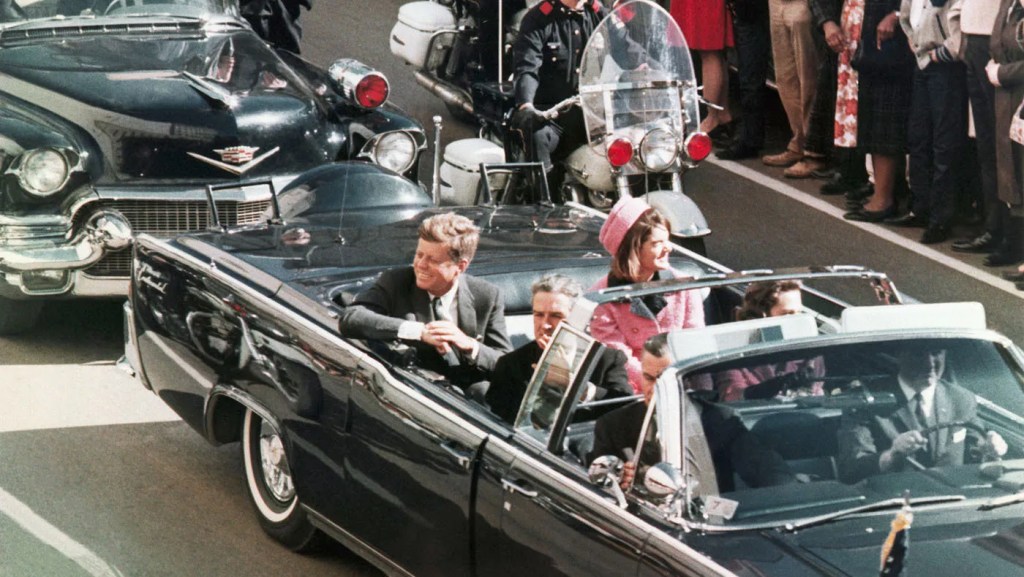
Such executive order traces its roots back to the 1960s, a pivotal era in the civil rights movement. It was President John F. Kennedy who first introduced the concept through an executive order, aiming to ensure that federal contractors engaged in non-discriminatory employment practices. However, it was President Lyndon B. Johnson who expanded its scope and significance with Executive Order 11246 in 1965. This order mandated affirmative action in hiring practices to actively combat historical inequalities.
Since then, the question of whether affirmative action should be firmly established in law has been the subject of intense debate. Proponents argue that codifying affirmative action would provide legal protection and ensure its continuity beyond any single administration. They contend that enshrining it in legislation would demonstrate a firm commitment to addressing historical disadvantages and promoting diversity in education and employment.
However, opponents voice concerns about the potential drawbacks of codifying affirmative action. They argue that such legislation could lead to reverse discrimination or quota systems that undermine meritocracy and fairness. They believe that decisions regarding admissions or hiring should be based solely on individual qualifications, rather than considering demographic factors.

Despite the ongoing debate, several attempts have been made to codify affirmative action fully. In the early 1990s, during the Clinton administration, efforts were made to pass the Civil Rights Act of 1991, which aimed to strengthen existing civil rights laws and provide statutory support for affirmative action. However, the proposed legislation faced significant opposition and was ultimately watered down, failing to achieve comprehensive codification.
Similar endeavors were undertaken in subsequent years. In 1997, President Bill Clinton issued an executive order to establish a presidential advisory board on race, with the intention of recommending legislative action to solidify affirmative action. However, the board’s recommendations did not result in significant progress towards codification.

More recently, during the Obama administration, the question of codifying affirmative action resurfaced. While President Barack Obama was a vocal advocate for affirmative action, no concrete legislative action was taken to establish it firmly in law. Instead, the administration focused on supporting policies that encouraged diversity and inclusivity, such as issuing guidance to colleges and universities regarding the consideration of race in admissions.
The missed opportunities to solidify affirmative action can be attributed to various factors. Political divisions, shifting public opinion, and legal challenges have hindered the progress toward codification. The contentious nature of the issue, with strong arguments from both sides, has made it challenging to reach a consensus and pass comprehensive legislation.

This year, affirmative action was struck down. Its fate was dependent on the political climate and the interpretation of existing laws. This lack of codification left it vulnerable to the rollbacks we are seeing this year by the supreme court.
The missed opportunities to codify affirmative action have perpetuated uncertainty and limited its long-term impact. The absence of clear legislation left the policy vulnerable to legal challenges and shifts in political ideologies. Without a definitive and codified framework, the future of affirmative action has died.
As the nation continues to grapple with issues of diversity, equality, and inclusion, the question of solidifying and codifying affirmative action will remain unresolved. It calls for a comprehensive and nuanced examination of the policy, taking into account diverse perspectives and the evolving societal landscape. Only through open and constructive dialogue can we hope to navigate the complexities surrounding affirmative action and shape a new path toward a more equitable future.
Discover more from KVIG Informative
Subscribe to get the latest posts sent to your email.


 KVIG Informative