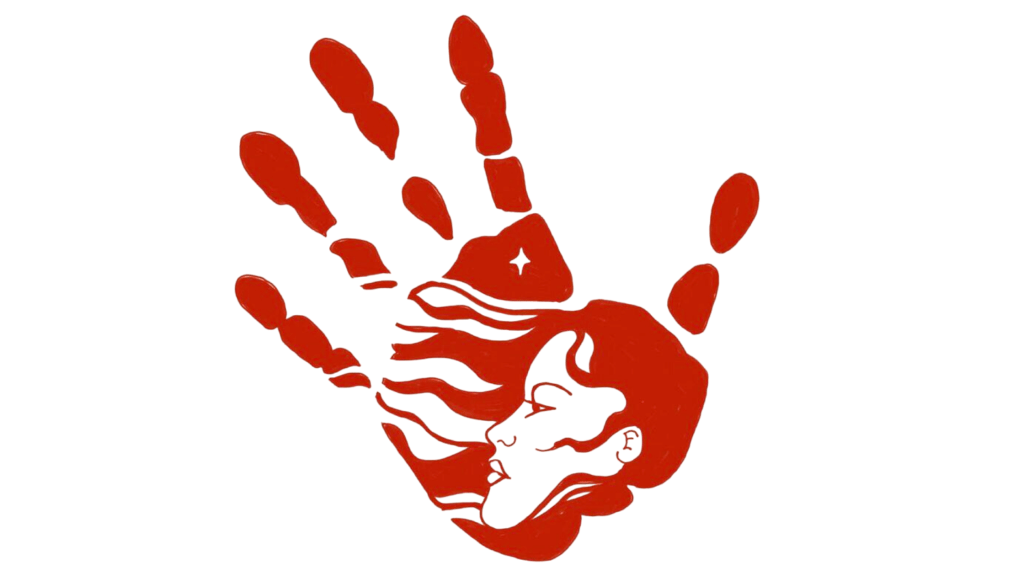
In the shadows of a nation captivated by headlines and breaking news, a haunting reality has long been silenced and overlooked: the crisis of missing and murdered Indigenous women (MMIW). For far too many Indigenous communities across the Americas, this epidemic has shattered lives, leaving families in anguish and a sense of injustice that continues reverberating through generations
The plight of MMIW is deeply rooted in a complex web of systemic racism, colonialism, and the erasure of Indigenous voices. Statistics paint a grim picture: Indigenous women are disproportionately affected by violence, with rates of disappearance and homicide far exceeding those of other demographic groups. Yet, their stories often remain untold, buried beneath layers of indifference and injustice.

The circumstances surrounding these cases are shrouded in a legacy of structural violence and historical trauma, Indigenous women face unique vulnerabilities: stemming from inadequate access to resources and a lack of trust in law enforcement. These vulnerabilities are exploited by predators who exploit the marginalization of Indigenous communities, knowing that their crimes are less likely to be investigated and prosecuted.
The silence surrounding MMIW is a collective failure that implicates society. It reflects the devaluation of Indigenous lives and the systemic disregard for the experiences and rights of Indigenous peoples. The struggle for justice and accountability becomes an uphill battle as cases languish in a web of jurisdictional complexities, apathetic responses, and institutional biases.

Indigenous communities, activists, and allies are mobilizing to bring attention to this crisis and demand action. Through grassroots movements, awareness campaigns, and advocacy efforts, they are breaking the silence, reclaiming the narratives, and demanding justice for the stolen sisters who have been forgotten for far too long.
Efforts are underway to bridge the gaps in reporting, data collection, and coordination between law enforcement agencies. Community-led initiatives provide support networks, resources, and healing spaces for affected families. Legislation and policy changes are being proposed to address the systemic issues that perpetuate violence against Indigenous women and hinder meaningful action.
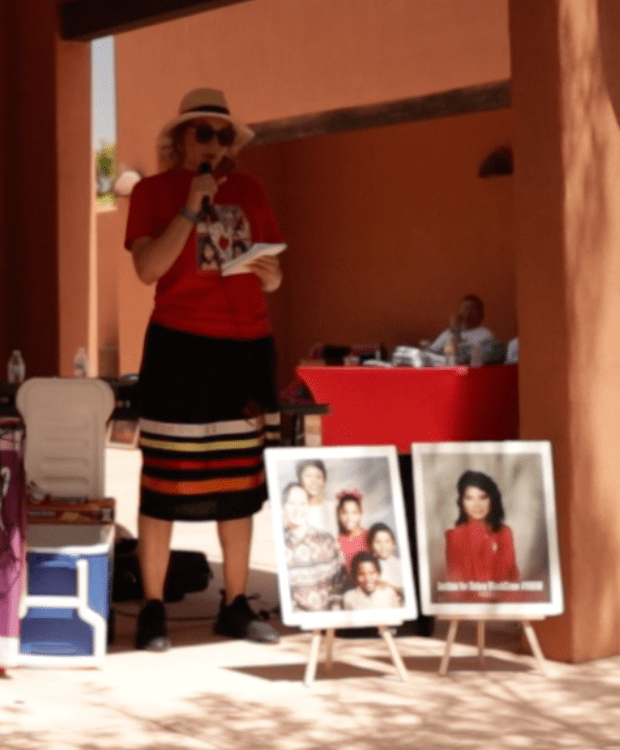
Addressing the MMIW crisis requires a collective commitment to dismantling the structures that enable and perpetuate violence. It necessitates a reckoning with the historical and ongoing legacies of colonialism, the recognition of Indigenous sovereignty, and the inclusion of Indigenous voices in decision-making processes.
As the stories of missing and murdered Indigenous women are finally brought to the forefront, a collective responsibility is to listen, amplify, and act. We must confront the uncomfortable truths, challenge the systems that perpetuate violence, and work towards a future where every Indigenous woman is safe, seen, and valued.
The journey towards justice for MMIW is not a singular task but a shared responsibility. By standing in solidarity with Indigenous communities, supporting grassroots initiatives, and advocating for systemic change, communities can strive towards a world where the tragedy of missing and murdered Indigenous women becomes an unbearable memory of the past, not an ongoing reality of the present.

Tap Image To Purchase
3×3 Vinyl Sticker
$5.00

Tap Image To Purchase
3×3 Vinyl Sticker
$5.00
Discover more from KVIG Informative
Subscribe to get the latest posts sent to your email.


 KVIG Informative