
The American Psychiatric Association’s latest monthly poll found that one in three Americans said they felt lonely at least once a week over the past year. Younger people were more likely to report these feelings than other age groups. The poll suggests that loneliness is a growing issue in the United States, and it’s not just a problem for older adults. Young people are also experiencing feelings of isolation and loneliness, which can have serious consequences for their mental and physical health.
In a stark warning last year, the Surgeon General highlighted the significant health risks associated with chronic loneliness. A report issued by his office in spring 2023 found that social isolation can be as detrimental to health as smoking up to 15 cigarettes daily. The report linked social isolation to an increased risk of anxiety, suicidality, depression, and a 50% higher risk of developing dementia.

Now, some local leaders are heeding the warning. In California, San Mateo County, which includes part of Silicon Valley, became the first in the nation to declare loneliness a public health emergency. There is a coalition to end social isolation and loneliness that partners with experts and policymakers.
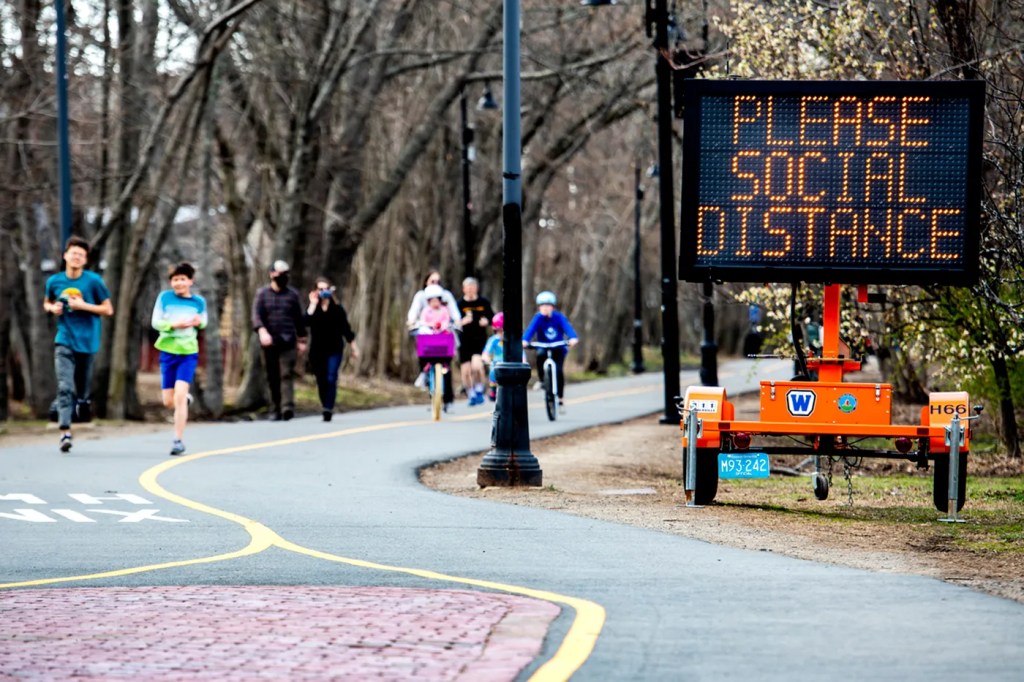
So why are we as a country so lonely right now? There are many cultural drivers. Hyper-individualism and social media are creating alternative universes that can make people feel like they don’t belong. Marginalized communities have always been at higher risk for isolation and loneliness, but now many people are starting to feel the effects of social isolation and loneliness coming out of the pandemic.
The country has prioritized supporting mature individuals through various initiatives. These include programs enabling independent living, organizations dedicated to healthy aging, and nationwide networks fostering community connection. Tech developers are creating innovative solutions to bridge the gap and connect people of all ages. Additionally, the government is implementing quality improvement programs in nursing homes to promote collaboration between young healthcare professionals and residents.
So what are some strategies that have been effective in reducing loneliness? We need to focus on systemic, broad strategies that support federal, state, and local strategies to address social disconnection. We need to develop an action guide for local leaders to help them support community-wide strategies that look at various assets within their community and opportunities to impact social connections.

3×3 Vinyl Sticker
$5.00

3×3 Vinyl Sticker
$5.00
This is not just affecting the U.S. Other countries are dealing with it as well, and there are solutions that have worked elsewhere in the world that the U.S. can learn from. The U.K. has been a leader in this space for the last 15 years. They have a minister of loneliness at the national level, and they have been successful in incorporating screening and referral for social disconnection within their national healthcare system. We are working to implement that same strategy here in the U.S.
Discover more from KVIG Informative
Subscribe to get the latest posts sent to your email.


 KVIG Informative