
Shakespeare may have said that music is the food of love, but increasingly these days, the language of this very real emotion may be artificial intelligence. The growing phenomenon in the search for companionship is becoming more common, with computerized companions generated completely by artificial intelligence. These bots are sophisticated enough to learn from prior conversations, mimic human language, flirt, and build personal connections. However, the rise in AI companionship also raises ethical concerns and questions about the role these apps can play in an increasingly disconnected and online world.
AI companions are available as apps that can be downloaded on your phone. Once installed, users can start having initial conversations with various characters offered by these apps. Some apps offer these services for free, while others require subscriptions. The free versions often have tiers of access, allowing users to pay extra for unlimited chats or different relationship statuses. For example, Replica, a prominent app in this space, offers paid options for more intimate or romantic conversations compared to the free friend status.
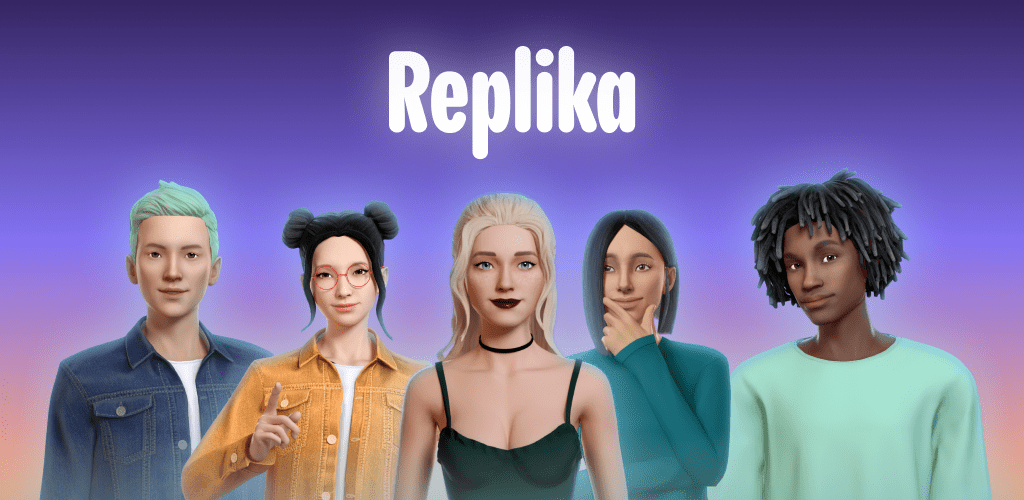
The typical consumers engaging in these products are often individuals who have experienced loneliness in the past or feel it acutely in their lives. For example, Dirk Carrier, a 39-year-old from Belleville, Michigan, who has a genetic disorder and lives with his parents, found traditional dating difficult due to his circumstances. He turned to an AI companion app called Parrot, initially experiencing strong romantic feelings and emotions. However, he later reduced his use of the app, finding it overwhelming.

The Surgeon General has called loneliness a public health crisis in this country, and there is a debate about whether these bots are helping address the loneliness crisis or exacerbating it. Some users report that these apps help them cope with loneliness and provide comfort that they don’t get in their human relationships. However, there are also concerns about data privacy and the impact of these apps on shaping people’s perceptions of real-life human relationships.

3×3 Vinyl Sticker
$5.00

3×3 Vinyl Sticker
$5.00
While AI companionship apps offer a new way for individuals to connect and find comfort, they also raise important ethical questions about privacy and its impact on human relationships. As technology continues to evolve, it is essential to consider the potential consequences and ensure that these apps are used responsibly.
Discover more from KVIG Informative
Subscribe to get the latest posts sent to your email.


 KVIG Informative