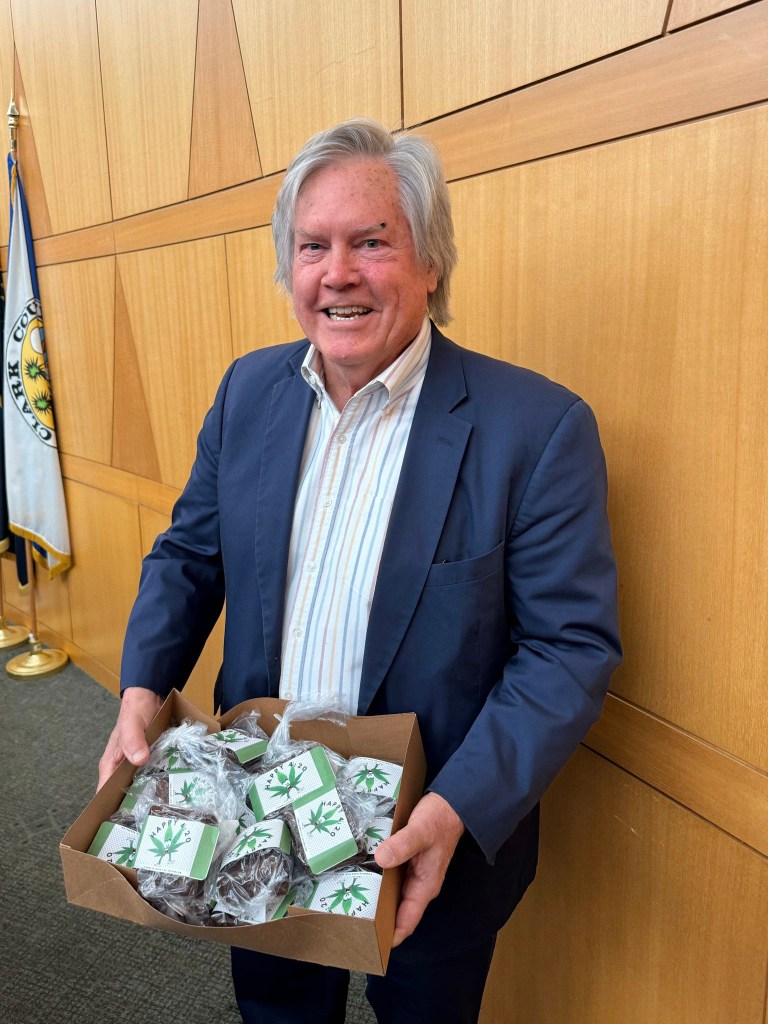

In recent years, the shifting legal landscape surrounding cannabis across the United States has brought glaring discrepancies to light within local government policies. Notably, these discrepancies revolve around how cannabis use is treated among different groups, particularly elected officials versus ordinary government employees.
For government employees seeking job opportunities, stringent drug testing policies are the norm, potentially denying them employment if they test positive for cannabis. This harsh reality stands in stark contrast to the treatment of elected officials, who are often exempt from the same level of scrutiny. Such inconsistency begs the question of fairness and uniformity in policy application.

An anonymous individual recently shared their experience applying for a job within the City of Henderson by sharing some screenshots of conversations with the city. Initially informed by the hiring manager that they could still secure the position even with small traces of a positive cannabis test, they were later denied the job and barred from reapplying for six months. This anecdote underscores the severe consequences employees can face under current policies.
We reached out to Clark County to see if their policy was similar to that of the City of Henderson, the director of public communications Erik Papa conceded that they could subject employees to drug testing but not elected officials. Their rationale? Elected officials are paid by the county rather than the federal and or state government programs, exempting them from federal and or state oversight.

Adding complexity to the issue is the public display of cannabis use by some elected officials, often captured on camera, without facing federal prosecution. Despite this blatant disregard for laws, the lack of accountability and transparency from communications departments in addressing these actions that may seem like double standards is disconcerting.
The root causes of these policy discrepancies vary. The leniency afforded to elected officials may stem from their status or position within the county, city, and or municipality: while ordinary employees bear the brunt of strict standards and consequences.

These actions that could appear as double standards have broader implications for public trust and accountability. They suggest a system that is lenient toward those in power while holding others to rigorous standards, perpetuating social injustice and eroding confidence in local governance.
To rectify these disparities, there must be a concerted effort to implement policy changes that foster consistency across the board. Increased transparency and accountability from local governments are imperative steps toward restoring public trust.
Addressing the current actions that hint towards double standards in cannabis policies within local governments is crucial for promoting fairness and justice. As cannabis laws evolve, so too should the policies governing its use at all levels of government.

3×3 Vinyl Sticker
$5.00

3×3 Vinyl Sticker
$5.00
Discover more from KVIG Informative
Subscribe to get the latest posts sent to your email.


 KVIG Informative