
The courtroom of Judge Amy Wilson became a theater of high stakes and raw emotion during the latest proceedings in State v. Alejandra Boudreaux, a case that has captured public attention and exposed critical tensions within the legal system. The case revolves around the tragic death of Brandon Durham, whose life was taken during a fatal confrontation with police. As the trial unfolds, it has sparked debates about justice, mental health, and the broader responsibilities of law enforcement.
Prosecutors allege that Alejandra Boudreaux’s actions set the stage for the tragedy, describing a harrowing series of events that escalated into chaos. They claim Boudreaux, who was allegedly attempting “suicide by cop,” broke into Durham’s home, shattered windows with landscaping bricks, and confronted him with knives while his teenage daughter was present. They argue that Boudreaux’s violent and erratic behavior led directly to the fatal encounter with police. The prosecution emphasized Boudreaux’s criminal history, which includes five prior felony convictions in multiple states, as evidence of the threat she poses to public safety. They argued for a $1 million bail to ensure accountability and prevent flight.
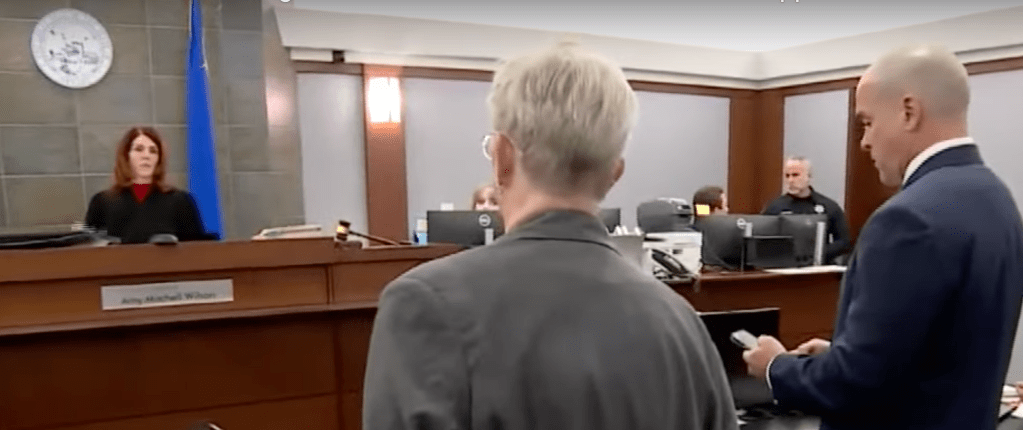
The defense offered a starkly different perspective, centering their argument on Boudreaux’s severe mental health struggles. Her attorney described her actions as the result of impaired judgment, not calculated intent, urging the court to take her mental state into account. The defense criticized the proposed bail as excessive and argued it effectively amounted to indefinite detention due to her lack of financial resources. They called for a more compassionate approach, highlighting the need for mental health interventions over punitive measures.
For Brandon Durham’s family, the legal proceedings have been fraught with frustration and unanswered questions. His sister expressed anger that no charges had been brought against the police officer who shot her brother, stating, “There needs to be someone else standing next to him… Charges need to be filed. This is wrong. Anybody with eyes can see it.” Her words reflect a broader call for accountability, not just for Boudreaux’s actions but also for the role law enforcement played in Durham’s death.
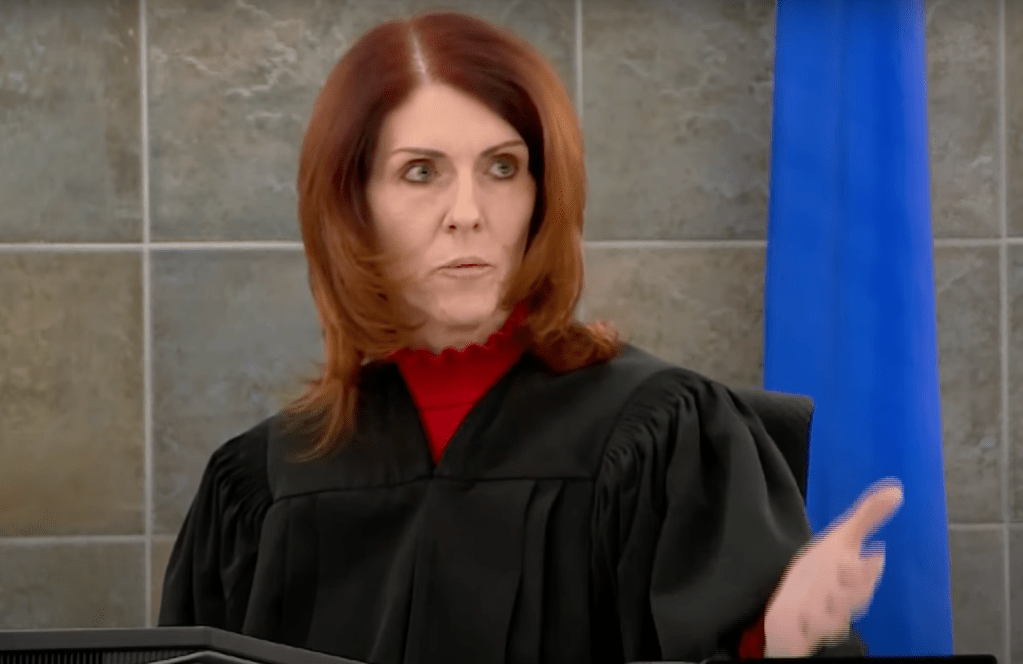
Judge Wilson’s decision attempted to strike a balance between the competing arguments. She upheld the $1 million bail, citing Boudreaux’s criminal history, lack of community ties, and the seriousness of the allegations against her. However, she also imposed strict conditions should Boudreaux post bail, including electronic monitoring and prohibitions on contacting the victim’s family or possessing drugs, alcohol, or weapons. The decision, while addressing immediate safety concerns, left many unsatisfied, particularly Durham’s family, who continue to demand broader accountability.

3×3 Vinyl Sticker
$5.00

3×3 Vinyl Sticker
$5.00
This case underscores deep divisions within the justice system, from its handling of mental health crises to its approach to police accountability. It raises difficult questions about how the system balances the need for public safety with fairness and compassion. As the trial continues, it remains a focal point for community outrage and a symbol of the broader challenges facing our society. For now, all eyes remain on the courtroom, where the pursuit of justice collides with the complexities of a tragedy that has forever changed the lives of those involved.
Discover more from KVIG Informative
Subscribe to get the latest posts sent to your email.


 KVIG Informative