
As more people turn to cannabis for its medical benefits, new users need to understand what makes each strain unique. The therapeutic potential of cannabis lies in two key groups of compounds: terpenes and cannabinoids. Together, they shape the plant’s effects, aromas, and medical applications, making finding a strain that fits your needs easier. Terpenes are aromatic compounds found in cannabis that give each strain its distinct scent, whether citrusy, earthy, floral, or spicy. Beyond their smell, terpenes also play a critical role in how cannabis affects the body. This synergy, known as the entourage effect, enhances or balances the therapeutic outcomes of cannabinoids.
For example, myrcene, with its earthy and musky aroma, is associated with sedative effects and may support sleep and pain relief. Limonene, which smells like citrus, may help elevate mood and ease stress. Pinene offers a fresh pine scent and is believed to support focus and reduce inflammation. Linalool, with its floral lavender-like profile, is often used to encourage calm and relaxation. Caryophyllene, a spicy, peppery terpene, is notable for its ability to bind directly to cannabinoid receptors and is believed to help manage pain and inflammation.
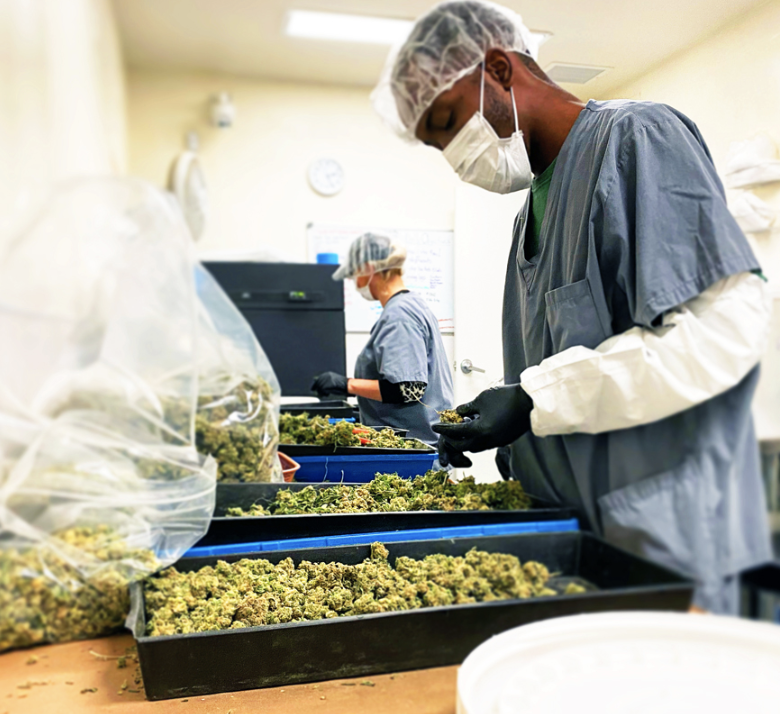
Cannabinoids, meanwhile, are the active chemicals in cannabis that interact with the body’s endocannabinoid system to regulate functions like pain, mood, appetite, and immune responses. THC, or tetrahydrocannabinol, is the most well-known cannabinoid and is responsible for the psychoactive “high” associated with cannabis. Medically, it is often used to alleviate pain, stimulate appetite, and reduce nausea. On the other hand, CBD, or cannabidiol, does not produce a high and is popular for treating conditions like anxiety, inflammation, and seizure disorders. It also has a moderating effect on THC, helping to reduce its intensity.
Other cannabinoids include THCA, the raw, non-psychoactive precursor to THC, which may have anti-inflammatory and neuroprotective properties. CBG, or cannabigerol, is sometimes referred to as the “mother cannabinoid” and may assist with pain, inflammation, and digestive health. CBC, or cannabichromene, though less common, shows promise in supporting inflammation management and brain health. THCB is a newer cannabinoid that shares similarities with THC but may be more potent; its full medical potential is still under investigation.
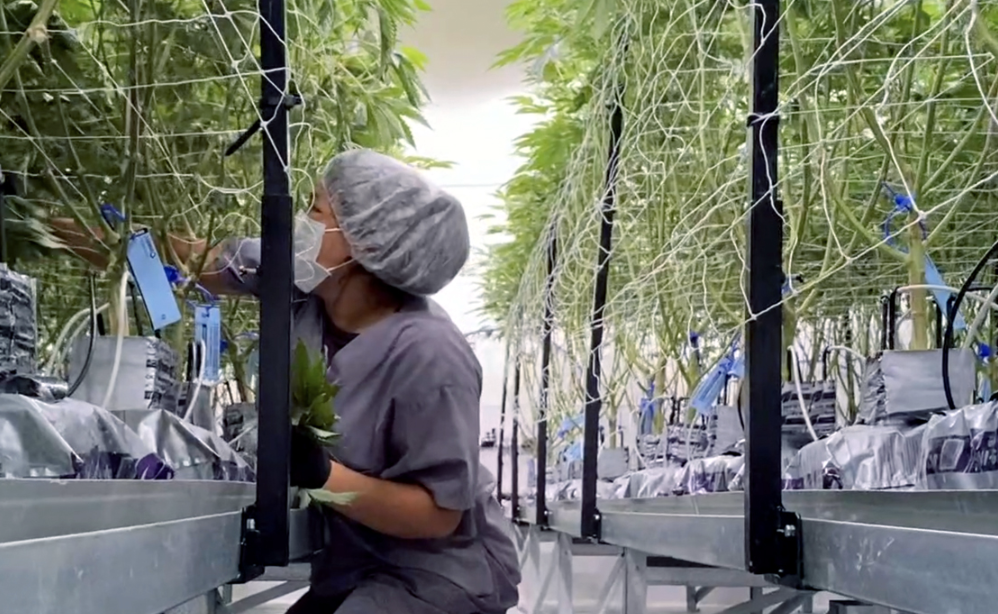
For new users, understanding how these compounds work together is a powerful step toward making informed choices. For example, a person seeking relief from anxiety might benefit from a high-CBD strain rich in linalool and myrcene, both known for their calming effects. Someone managing chronic pain might explore a balanced THC-CBD strain that includes anti-inflammatory terpenes like caryophyllene or humulene. These profiles help tailor cannabis use to individual medical goals.

3×3 Vinyl Sticker
$5.00

3×3 Vinyl Sticker
$5.00
Starting slow and consulting with knowledgeable professionals—whether healthcare providers or dispensary staff—is crucial for safety and effectiveness. Medical cannabis is not a one-size-fits-all solution, but with the right knowledge about cannabinoids and terpenes, new users and patients can begin their journey with confidence, clarity, and a sense of empowerment.
Discover more from KVIG Informative
Subscribe to get the latest posts sent to your email.


 KVIG Informative