
On a day of coordinated civic action in Las Vegas, residents mobilized across four events, demonstrating both the power of local leadership and the growing tension between grassroots activism and the influence of elite philanthropy. The daylight protest at the federal courthouse and the evening No Kings rally on Main Street stood out for their scale, intentionality, and the range of voices engaged — from local organizers to elected officials. Yet beneath the surface of civic energy, questions emerged about how wealth, venture capital, and nonprofit networks intersect with movements for democracy.
At the federal courthouse, Beth Osborne of the Leadership Committee of Indivisible Las Vegas framed the event within the broader national mission of Indivisible, a movement founded during Trump’s first term. Osborne highlighted the ongoing nature of civic engagement: “This is not just one day. This is not just one moment. This is a movement.” She invited attendees to engage through IndivisibleLasVegas.org, emphasizing community building, structured participation, and a pro-democracy agenda that extends beyond one-time demonstrations.
3×3 Vinyl Sticker
Sliding scale $3.00-$8.00

3×3 Vinyl Sticker
Sliding scale $3.00-$8.00
Congressman Steven Horsford stressed the essential role of citizen participation in holding government accountable, connecting local action to national policy outcomes. “We don’t have kings in this country. We have a democracy that’s centered on the people,” Horsford said. “When the people demand that their government respond, we get the result we need — better healthcare, affordable housing, safe communities, and humane immigration policies.”
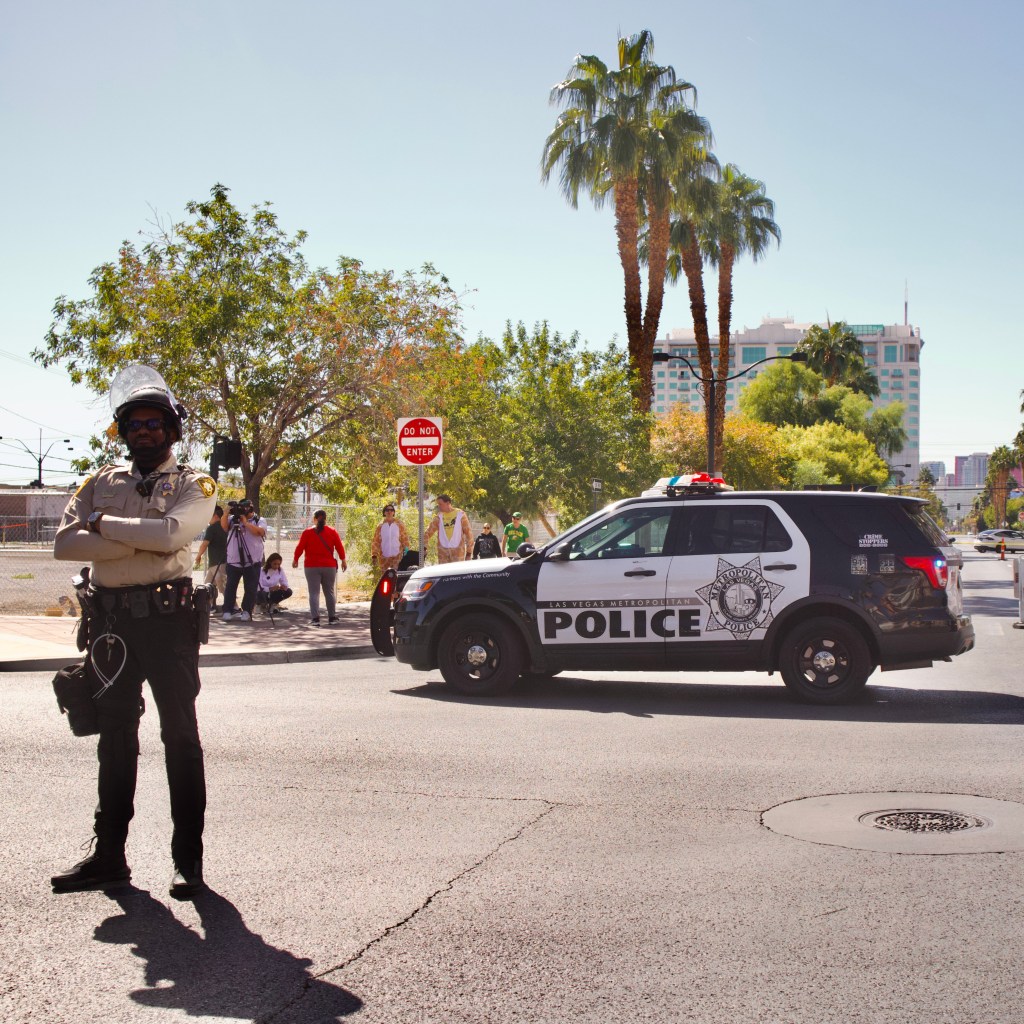
From 11 a.m. to 1 p.m., the daylight protest unfolded with remarkable coordination. Streets were blocked, traffic rerouted, and protesters circled the area without encountering conflict. Observers noted that the LVMPD presence was professional and at times welcoming, though some attendees questioned the broader strategy: was it purely for safety, or a subtle method of controlling visibility and engagement? LVMPD supervisors on site were not briefed about press inquiries, leaving participants and reporters uncertain about the intent behind the operational decisions. According to LVMPD social feeds, over 2,500 participants attended the four coordinated protests across the city, underscoring the scale of civic engagement in Las Vegas.

Rosa, Vice President of Southern Nevada 50501, organized the evening No Kings protest alongside other local organizations. Her motivation was deeply personal and rooted in community care: attending the June protest revealed the power of collective voices, but stepping into leadership allowed her to channel that energy intentionally. “Real change doesn’t happen from the sidelines — it happens when we step up and take action,” she said. Her leadership drew inspiration from Black women who shaped her understanding of care and leadership, and from Hispanic families that taught perseverance, humility, and strength through struggle.
The evening protest was deliberate and coordinated. Participants moved together, protected one another, and spoke with a shared voice. Rosa emphasized: “Protests like No Kings matter because they bring people together around something bigger than ourselves. They’re a reminder that our voices hold power, especially when we use them collectively.”

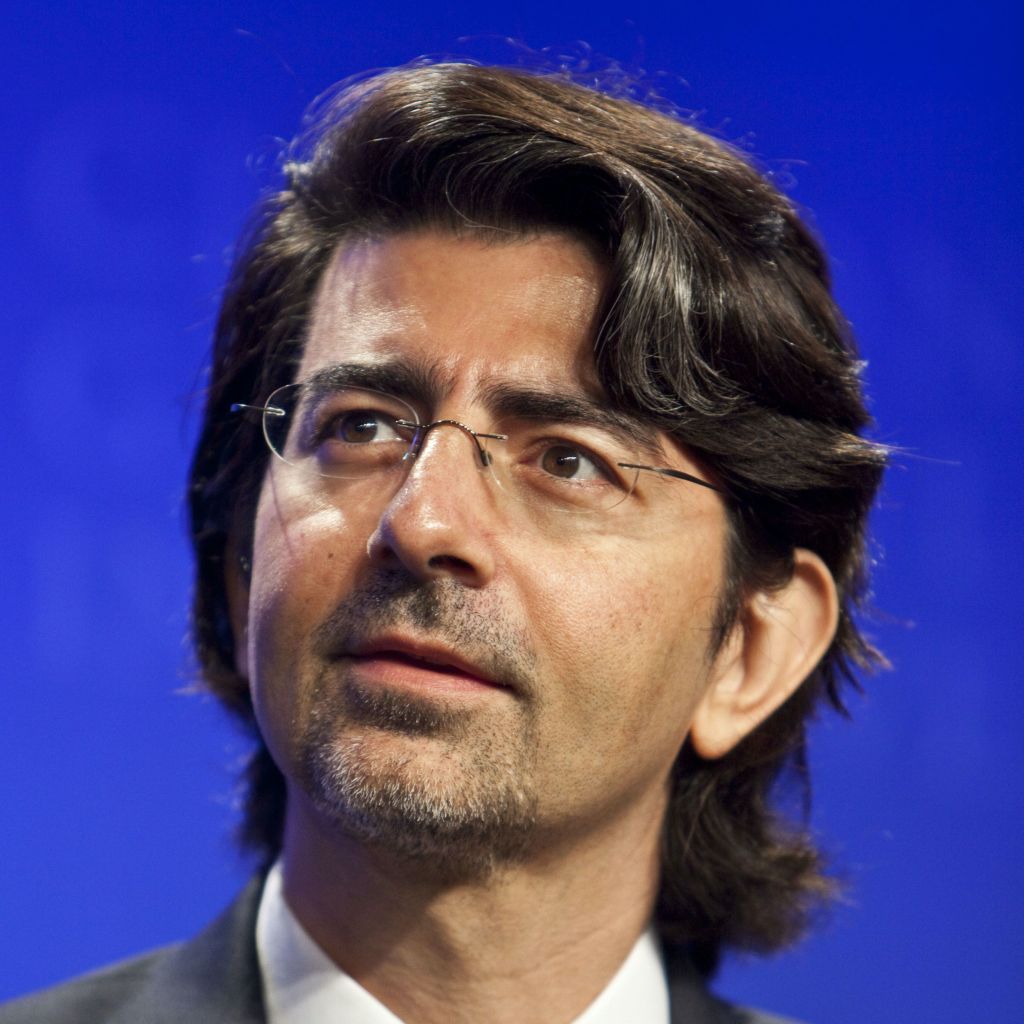
While the protests demonstrated remarkable grassroots coordination, the organizational context behind Indivisible raises complicated questions. Founded by Leah Greenberg and Ezra Levin — former congressional staffers — the national movement scaled quickly through a combination of strategic networks and philanthropy. Greenberg, previously an Investments Manager at Humanity United (a philanthropic organization founded by Pam and Pierre Omidyar, eBay co-founder), managed grants on human trafficking and social justice. Levin brought legislative and anti-poverty expertise. Indivisible chapters, including Las Vegas, benefited from both nonprofit knowledge and funding from progressive foundations such as the Open Society Foundations.

3×3 Vinyl Sticker
Sliding scale $3.00-$8.00
3×3 Vinyl Sticker
Sliding scale $3.00-$8.00
Yet the entanglement of elite capital, philanthropy, and grassroots activism invites scrutiny. The founders’ professional networks are connected to billionaire-led philanthropic ventures, which often operate as tax-advantaged vehicles. This creates a paradox: movements advocating for collective civic power and democracy are simultaneously supported by private networks that may benefit from the very inequalities those movements critique. Critics have noted that such intersections — between nonprofit activism, venture-style philanthropy, and elite financial interests — blur the lines between genuine grassroots action and the influence of concentrated wealth.
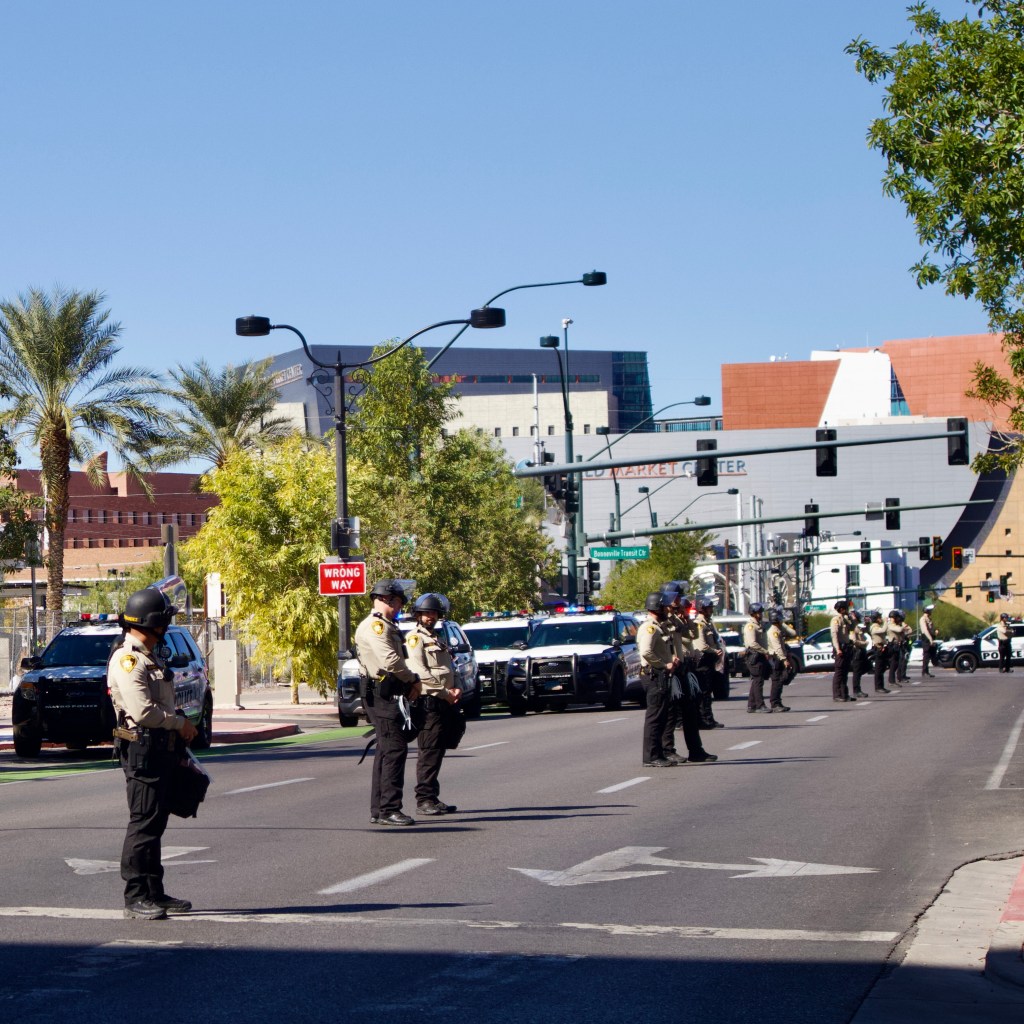
The Las Vegas events illustrate the complex ecosystem of modern civic engagement: grassroots organizers, local leaders, elected officials, and national movements converge to produce sustained activism. Yet the story does not end with mobilization. The intersections between Indivisible’s founders, philanthropic networks, and elite capital highlight structural tensions: the same networks that amplify local activism can also concentrate influence in ways that obscure accountability. As Rosa, Beth Osborne, and Congressman Horsford demonstrate, citizen participation remains vital, as is understanding the financial and institutional scaffolding behind these movements is essential for transparency and long-term democratic integrity.

Discover more from KVIG Informative
Subscribe to get the latest posts sent to your email.

 KVIG Informative