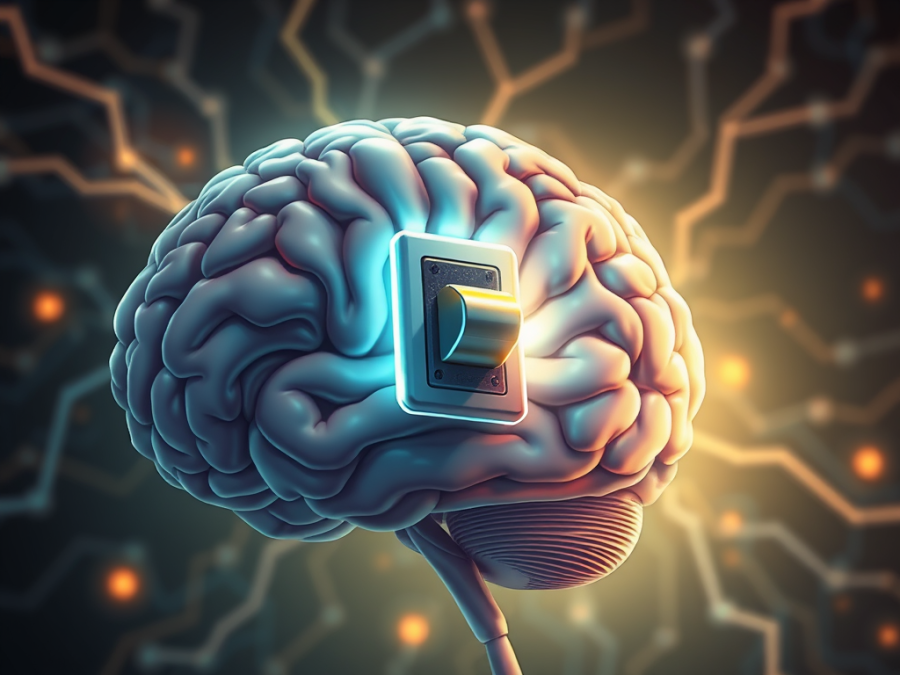
Scientists discovered that stress leaves a molecular fingerprint on the brain long after the experience ends. They also found the brain has natural systems to fight back. Neither finding is getting the attention it deserves.
In December 2025, researchers studying how the brain responds to stress identified molecular changes that can alter behavior long after a stressful experience is over. The same study identified natural resilience systems already built into the brain — mechanisms that help some people recover while others remain stuck in patterns of anxiety, depression, or avoidance.
The findings, published in peer-reviewed neuroscience literature, add to a rapidly growing body of research suggesting that mental illness is not simply a chemical imbalance to be corrected with medication — but a dynamic, experience-shaped condition rooted in how the brain physically reorganizes itself in response to what happens to a person.
What the Research Actually Says
Separate research published in late 2025 found that lowered energy signaling in the hippocampus — the brain region central to memory and emotional regulation — can produce both depression-like and anxiety-like behaviors. The hippocampus doesn’t just store memories. It appears to regulate how the brain interprets threat, how stress hormones circulate, and whether a person feels safe or not in a given environment.
Another study found that the brain constantly blends split-second reactions with slower, more deliberate processing — and that different brain regions literally operate on different internal clocks. The research identified a hidden timing system that shapes cognition, decision-making, and emotional responses in ways that vary significantly from person to person. The implication: what looks like impulsivity, poor judgment, or emotional dysregulation in clinical settings may partly reflect differences in how individual brains synchronize these competing systems.
Princeton researchers published findings showing the brain excels at learning by reusing modular cognitive building blocks across many different tasks. The research, conducted using primates switching between visual categorization challenges, found that the brain doesn’t build new systems for each new skill — it recombines existing ones. This has direct implications for how schools teach, how job training works, and how rehabilitation after brain injury should be structured.
Why It Isn’t Being Covered
None of these findings are obscure. They were published in mainstream scientific journals and covered briefly in science news aggregators. What they haven’t received is sustained public attention or meaningful translation into policy conversations — especially in the context of a national mental health crisis that kills tens of thousands of Americans every year through suicide, overdose, and stress-related illness.
The United States spends more per capita on mental health treatment than almost any other country. Outcomes remain poor by international comparison. The gap between what neuroscience is discovering about the brain and what the mental health system actually does with those discoveries is significant and growing.
Part of the problem is structural. Pharmaceutical companies fund a disproportionate share of mental health research, which shapes which questions get asked and which findings get amplified. Research into brain resilience systems, cognitive timing, and modular learning — none of which requires a drug to address — competes for attention and funding against research that produces prescribable products.
What It Means for Communities Like Ours
Las Vegas has one of the highest rates of mental health need in the country, driven by shift-work schedules, economic precarity, a transient population, and a hospitality industry that normalizes substance use. Clark County consistently ranks among the most under-resourced regions in the country for mental health services relative to need.
Research showing that stress physically rewires the brain, that the hippocampus plays a central role in depression and anxiety, and that the brain has built-in resilience systems that can be supported rather than just medicated — these are not abstract findings. They are the scientific foundation for a different kind of public health response. One that this community has not yet received.
The research exists. The question is whether anyone in a position to act on it is paying attention.
Discover more from KVIG Informative
Subscribe to get the latest posts sent to your email.


 KVIG Informative