
The indigenous people of the west, what is now known as Nevada, and other states have always had a rich and diverse history that stretches back millennia. There are several tribes that have called Nevada home for centuries, including the Northern Paiute, Western Shoshone, Mohave, and Southern Paiute, among others. These tribes have a deep connection to the land and have developed unique cultures and traditions over the years.
A significant event in the history of the indigenous people of Nevada was the arrival of Spanish explorers and missionaries in the late 18th and early 19th centuries. One of these explorers was Francisco Garcés, who arrived in Nevada in 1776. The ‘Aha Makhav (Mohave) agreed to lead him to the pacific coast along a route used for trade purposes. It was from this general location, on March 4, 1776, accompanied by four natives, that Garcés left the banks of the Colorado River and set out across the Mojave Desert; he reached Mission San Gabriel Arcángel 20 days later. Upon his return, he again visited the Mohave villages in this vicinity in May of 1776.

This route followed a much older prehistoric trail used to bring shells and other trade goods to the tribes of the desert and mountain west. On July 19, 1781, in a Quechan revolt against Spanish forces, Father Garcés was killed at La Purisima Concepción Mission near the Yuma crossing. Padre Garcés’ body was later interred in the Franciscan church of the Colegio De La Santa Cruz, Querétaro, Mexico.
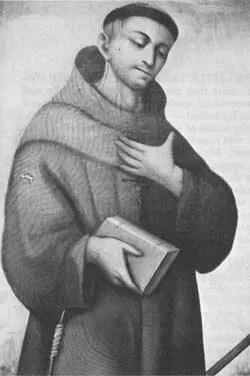
Francisco Garcés was also involved in establishing “colegios,” which could be known today as; boarding schools, in an attempt to convert the indigenous people to Catholicism and assimilate them into European culture. These schools were often abusive and violent, and many indigenous children were subjected to forced labor, physical abuse, and other forms of trauma. The impact of these schools on the indigenous people of Nevada was significant, as they were forced to abandon many of their land, traditional ways of life, and adopt new customs and practices.

In addition to the challenges of colonization, the indigenous people of Nevada and the west as a whole also faced significant health crises during this time period. In the late 18th century, a deadly pandemic of diarrhea and measles swept through the region, killing many indigenous people, particularly children. This pandemic was likely brought by the Spanish explorers and missionaries who brought new diseases with them to the region. The impact of this pandemic on the indigenous communities of Nevada was devastating and further weakened their ability to resist colonization and maintain their traditional ways of life.

In the early 19th century, the indigenous people of Nevada were further impacted by the Mexican-American War. The United States emerged victorious in this conflict and took control of Nevada. The arrival of the United States during the Mexican-American War marked the second period of colonization for the indigenous people of Nevada. This new period brought with it additional challenges and losses, as the native tribes were forced to cede even more land and resources to the United States. The impact of this colonization was significant and long-lasting, and the indigenous people of Nevada continue to grapple with the consequences of these events to this day. It is important to recognize and acknowledge this complex history and work towards ensuring that the rights and cultures of the indigenous people of Nevada are protected and preserved.

After the Mexican-American War, Nevada officially became a state in the United States in 1864. However, this did not mark the end of the struggles faced by the indigenous people of Nevada. They continued to be marginalized and disadvantaged, with their land and resources being taken away by the government and settlers. Many indigenous people were forced onto reservations, where they struggled to maintain their cultures and traditions in the face of continued discrimination and assimilation efforts. Despite these challenges, the indigenous people of Nevada have remained resilient and have worked to preserve their cultures and traditions in the face of ongoing colonization.
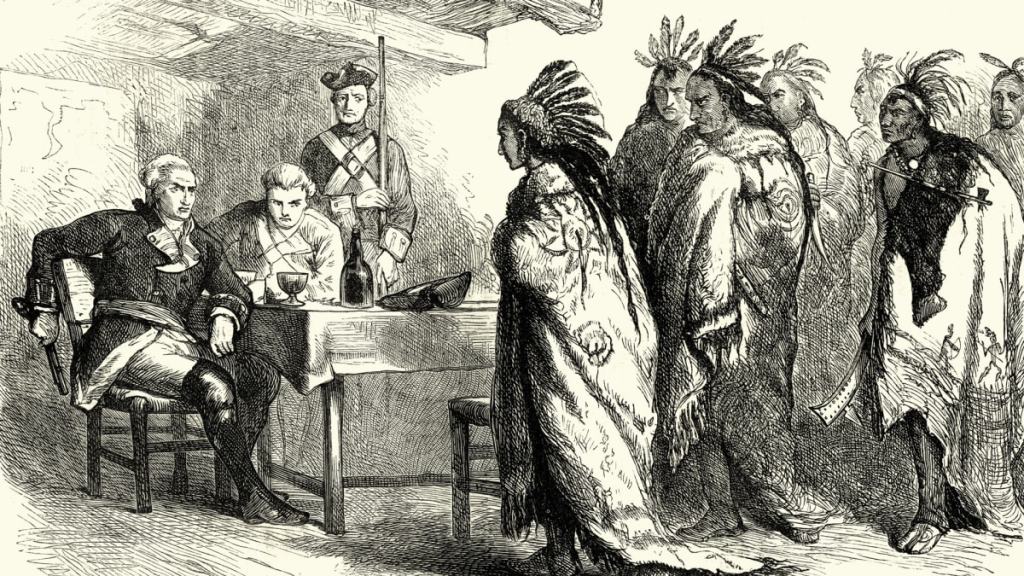
It is important to recognize and acknowledge the complex history of the indigenous people of Nevada and the multiple periods of colonization they have faced. Mexican people were not the first people to inhabit the West, and the indigenous people of Nevada have a long and rich history that predates the arrival of European explorers and settlers. It is crucial to respect and honor the contributions and sacrifices of the indigenous people of Nevada, and to work towards ensuring that their rights and cultures are protected and preserved.

Tap Image To Purchase
3×3 Vinyl Sticker
$5.00
Tap Image To Purchase
3×3 Vinyl Sticker
$5.00
Discover more from KVIG Informative
Subscribe to get the latest posts sent to your email.


 KVIG Informative