As the use of non-lethal or “less lethal” weapons becomes increasingly popular among law enforcement agencies and militaries around the world, it is important to examine the potential harms and consequences of these weapons. While they are often marketed as a way to control crowds or subdue individuals without causing fatalities, there have been numerous instances where non-lethal weapons have caused serious injury or even death.

In 2020, the United Nations Office of the High Commissioner for Human Rights released a report stating that at least 19 people had died in the United States as a result of being struck by rubber bullets during protests, while others suffered serious injuries such as permanent vision loss or skull fractures. Rubber bullets, designed to cause pain and incapacitate without piercing the skin, have caused over 1,000 deaths worldwide since the 1970s, according to the United Nations Office of the High Commissioner for Human Rights. Most of the victims were unarmed civilians, including children. Rubber bullets have also been criticized for their disproportionate impact on marginalized communities, as they are often used to suppress protests or uprisings in these communities.
The Taser, is a device that uses electrical shocks to incapacitate individuals. Tasers have been responsible for hundreds of deaths in the United States and have been found to disproportionately impact Black and Brown individuals. Tasers have been linked to cases of cardiac arrest and other serious medical complications, and their use has been criticized for being overly punitive and excessive. According to a report by Amnesty International, at least 1,081 people in the United States have died after being shocked with a taser.

In addition to rubber bullets and Tasers, other non-lethal weapons such as pepper spray, tear gas, and water cannons have also been linked to serious injuries and deaths. These weapons can cause respiratory problems, burns, and other physical harm, and have been used to suppress protests and demonstrations worldwide.
A report published by ResearchAndMarkets.com predicts that the global non-lethal weapons market will reach $9.29 billion by 2028, with a CAGR of 6.1% from 2021 to 2028. This growth is driven in part by the increasing acquisition of non-lethal weapons by law enforcement agencies in both developed and developing countries, as well as the incorporation of advanced technologies, such as laser interdiction systems and long-range acoustic devices, into non-lethal weapons.
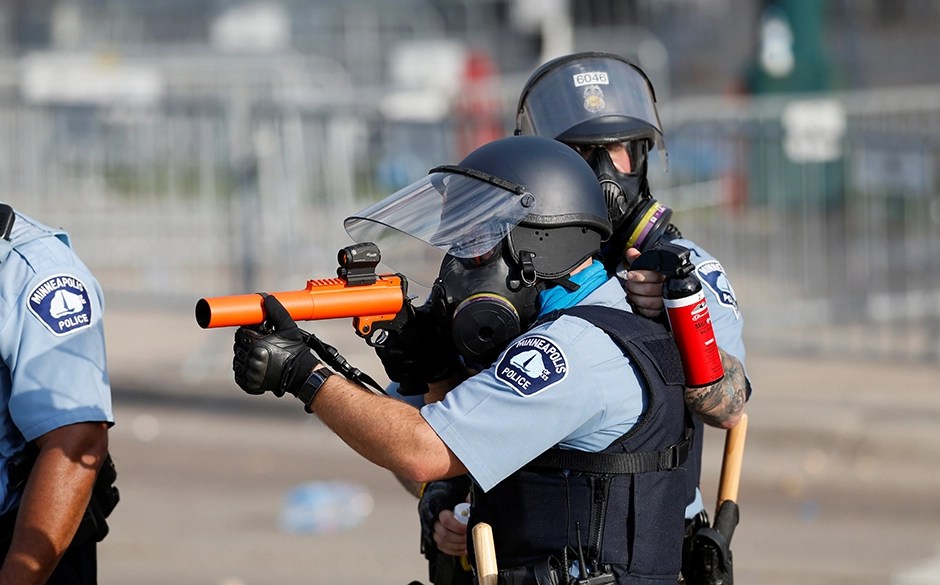
One of the main types of less lethal weapons is less lethal ammunition, which includes products such as rubber bullets, bean bag rounds, plastic bullets, and smoke grenades, among others. The market for less lethal ammunition is also expected to experience significant growth, with a report by Market Research Engine forecasting that it will exceed $1.146 billion by 2024, with a CAGR of 6.39% from 2018 to 2024. This growth is largely attributed to the increasing use of less lethal weapons in law enforcement and military settings, as well as the development of new technologies and products. However, it is important to note that while the market for less lethal weapons may be growing, the harms and consequences of these weapons cannot be ignored. It is crucial for authorities to carefully consider the risks and impacts of using less lethal weapons and to prioritize non-violent methods of conflict resolution whenever possible.

It is crucial for the development and implementation of strict guidelines and oversight mechanisms to ensure that less lethal ammunition is used responsibly and in accordance with international human rights standards. Training programs for law enforcement officers should also include education on the appropriate use and potential consequences of non-lethal weapons.
One potential alternative to non-lethal weapons is the use of de-escalation techniques and non-violent communication methods. These strategies can be effective in defusing tense situations and resolving conflicts without resorting to force. Training programs for law enforcement officers should include education on de-escalation techniques and non-violent communication methods as an alternative to using force.
Another alternative is the use of non-violent tactics such as barricades, cordons, and other physical barriers to separate opposing groups and prevents violence. These tactics can be effective in controlling crowds and maintaining public order without causing injury or harm to individuals.

It is important to recognize that these alternatives may not always be effective in every situation. In cases where there is an imminent threat of violence or harm, the use of non-lethal weapons may be necessary to protect public safety. It is important for authorities to carefully consider the risks and impacts of using non-lethal weapons and to prioritize non-violent methods of conflict resolution whenever possible. Ultimately, the decision to use non-lethal weapons should be based on a careful assessment of the specific circumstances and a commitment to respecting human rights and upholding the principles of proportionality and accountability.
While less lethal ammunition may serve as an alternative to traditional weapons in certain situations, it is important to recognize the potential harms and consequences of these weapons and to use them responsibly. The use of non-lethal weapons should always be a last resort, and authorities must ensure that they are used in a way that is necessary, proportional, and accountable.
Discover more from KVIG Informative
Subscribe to get the latest posts sent to your email.


 KVIG Informative