The roots of the police force in the United States can be traced back to slave patrols, which were formed in the early 18th century to help enforce slavery and maintain the social order in the Southern states. These patrols were responsible for tracking down and capturing runaway slaves, as well as suppressing slave revolts and maintaining order.
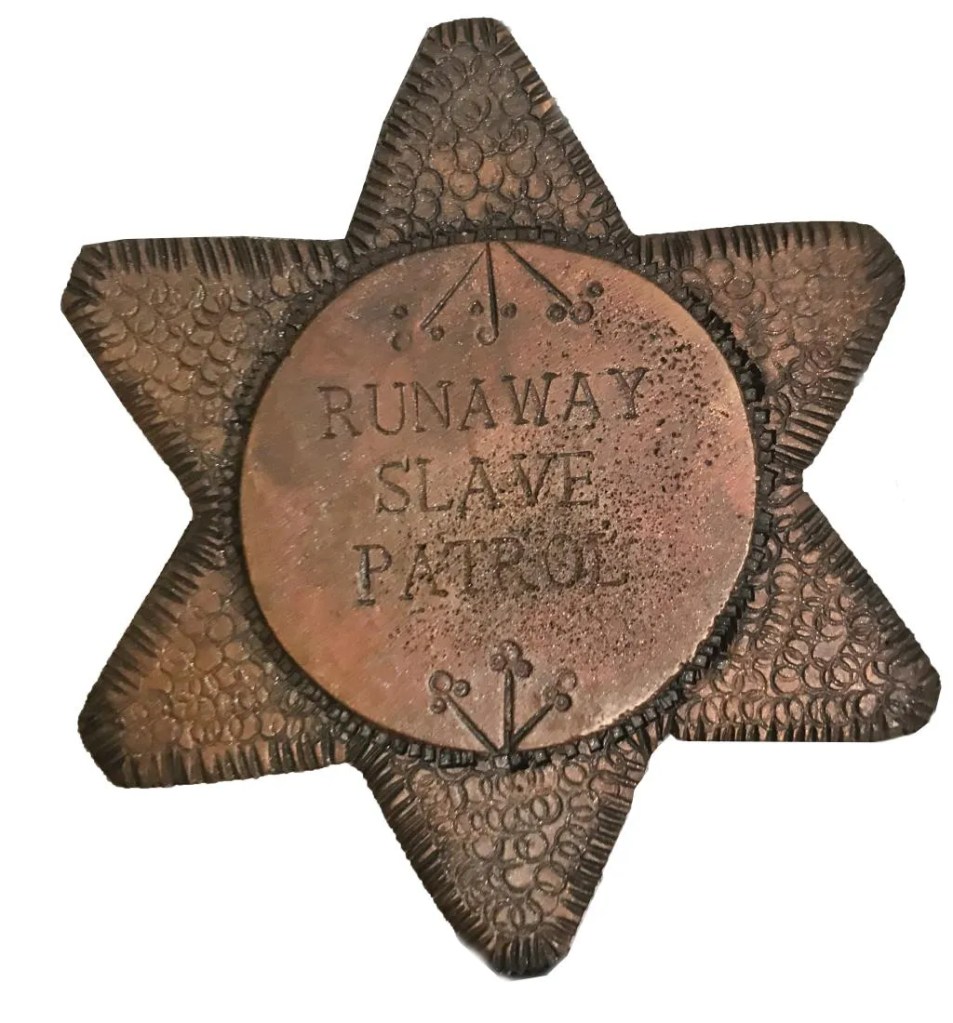
This legacy of slave patrol policing has had a lasting impact on the way that police officers are trained, as well as the way that they interact with communities of color. Many contemporary policing practices, such as stop-and-frisk, are based on the idea of controlling and suppressing marginalized communities and have been found to disproportionately impact communities of color. According to a report by the ACLU, Black and Latino people in New York City were nine times more likely to be stopped by the police than white people. This type of racial profiling is a clear example of how these slave catcher roots continue to shape contemporary policing practices.

The use of militarized tactics and equipment is another way the slave-catcher roots have affected policing tactics. Police officers are often trained to view themselves as warriors, rather than as public servants, and are equipped with military-grade weapons and tactics, such as armored vehicles and tear gas. This emphasis on military-style policing can create a culture of violence and aggression within the police force, which can lead to the use of excessive force against marginalized communities.

The report by the Police Executive Research Forum states police officers in the United States are five times more likely to use force when interacting with Black people compared to white people. This disproportionate use of force is another example of how the slave-catcher roots of policing continue to impact contemporary practices.
A potential solution for addressing the issue of the slave catcher roots of policing in the United States is to implement police reform measures. This could involve revising police training programs to focus on de-escalation, cultural competency, and community policing, as well as implementing policies such as use-of-force guidelines, body cameras, and early warning systems to help prevent incidents of police violence and misconduct. Additionally, reforming police unions and implementing civilian oversight mechanisms, such as review boards and independent investigators, can help to increase accountability for law enforcement and ensure that police are held accountable for their actions.

In order to effectively implement these types of reforms, it will be necessary for police departments to allocate resources towards training, technology, and infrastructure, as well as to engage in ongoing dialogue with community members and stakeholders to ensure that these reforms are responsive to the needs and concerns of the communities they serve.
Addressing the slave-catcher roots of policing looks like investing in community-based alternatives to traditional policing. This could involve supporting initiatives such as community policing, restorative justice programs, and violence prevention strategies that aim to address the root causes of crime and violence and promote public safety through non-coercive means. Examples of these types of initiatives include the use of violence interrupters, who work to mediate conflicts and prevent retaliatory violence in high-crime neighborhoods, and restorative justice circles, which bring together victims, offenders, and community members to address the harm caused by crime and find mutually-agreed upon solutions.

By investing in these types of initiatives, communities can build stronger connections and create more effective and equitable approaches to public safety. Additionally, investing in social and economic policies and programs that address issues such as poverty, inequality, and systemic racism can help to create more equitable and just communities and reduce the need for traditional policing in the first place.
Taking all of this into consideration, it is clear that the slave-catcher roots of policing in the United States have had a profound and lasting impact on contemporary policing practices and must be acknowledged and addressed to create a more just and equitable society. It is important to recognize that addressing these issues is not a simple or quick process, and will require the sustained efforts of both police officers and policymakers as well as the wider community. However, by working together and taking action, we can create a more just and equitable society for all.


Tap Image To Purchase
3×3 Vinyl Sticker
$5.00

Tap Image To Purchase
3×3 Vinyl Sticker
$5.00
Discover more from KVIG Informative
Subscribe to get the latest posts sent to your email.


 KVIG Informative