
In the realm of politics, the presence of corporate power has become a pervasive and contentious issue. The intertwining relationship between corporations and the political landscape has raised concerns about the influence of money and special interests on the democratic process. As corporate entities wield substantial financial resources and lobbying capabilities, questions arise about the potential distortion of policies and the marginalization of the public’s voice in decision-making.
The substantial financial contributions made by corporations to political campaigns have become a defining feature of modern politics. Critics argue that this practice creates an environment where politicians are beholden to corporate interests rather than prioritizing the needs and concerns of their constituents. The influence of corporate donations on policy-making raises questions about the fairness and integrity of the political system.

Moreover, the ability of corporations to employ extensive lobbying efforts further enhances their sway over the political process. Lobbyists representing corporate interests often have direct access to policymakers, allowing them to shape legislation and regulations to benefit their respective industries. This access and influence can undermine the principles of equal representation and give disproportionate power to those with financial resources.
The consequences of corporate power in politics can be far-reaching. Critics contend that it can lead to regulatory capture, where industries exert significant influence over the very regulations meant to govern them. This can result in lax oversight, weaker consumer protections, and environmental degradation, among other concerns. The concentration of power in the hands of a few corporations can also stifle competition, hampering innovation and limiting opportunities for smaller businesses and entrepreneurs.
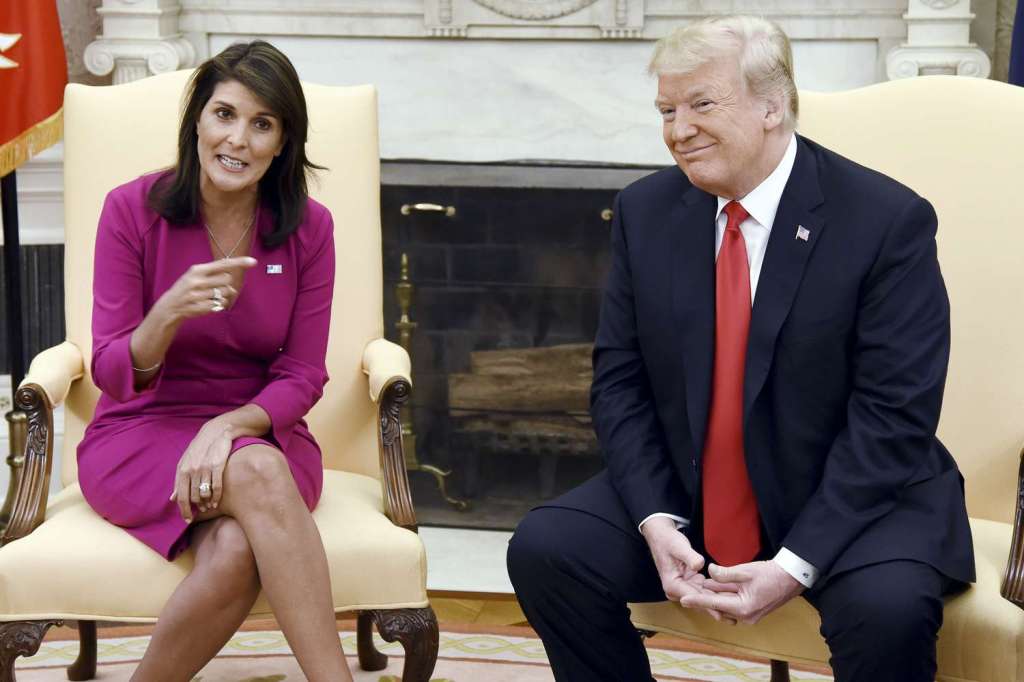
Efforts to address the influence of corporate power in politics have been met with both successes and challenges. Campaign finance reforms, such as limiting corporate contributions and promoting transparency, have been proposed to mitigate the impact of money on political campaigns. However, the effectiveness of such measures is a subject of ongoing debate, with concerns about potential loopholes and the continued influence of corporate interests.
Public awareness and mobilization have also played a significant role in challenging corporate power in politics. Grassroots movements and advocacy groups have emerged to raise awareness about the impact of corporate influence and to push for policy reforms that prioritize the public interest. Calls for greater transparency, stricter regulations on lobbying, and the promotion of campaign finance reform have become rallying points for those seeking to rebalance the scales of power.

Tap Image To Purchase
3×3 Vinyl Sticker
$5.00

Tap Image To Purchase
3×3 Vinyl Sticker
$5.00
Balancing corporate influence with democratic principles remains a complex and evolving task. It requires an ongoing examination of campaign financing, lobbying regulations, and the promotion of accountability and transparency in political processes. Striking a balance between the need for corporate participation in policymaking and safeguarding the integrity of democratic decision-making is crucial for a fair and inclusive political system.
Discover more from KVIG Informative
Subscribe to get the latest posts sent to your email.


 KVIG Informative