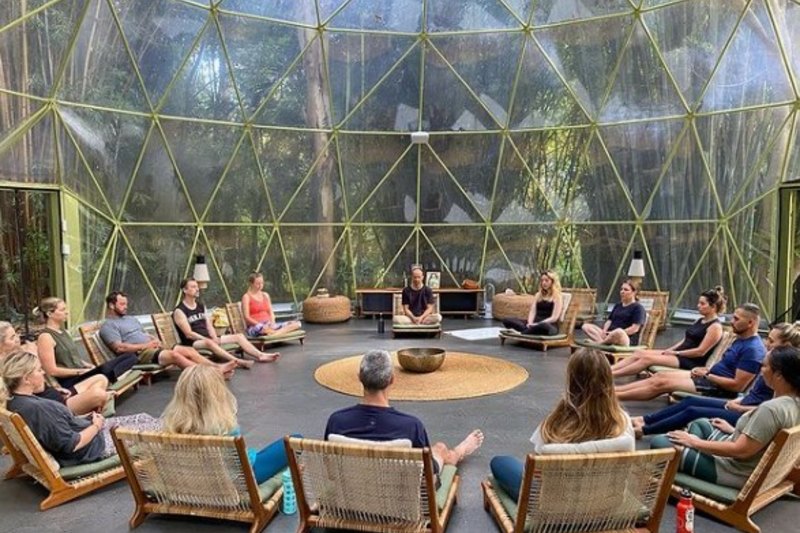
In recent years, there has been a resurgence of interest in psychedelic substances for therapeutic purposes. However, the growing popularity of these medicines has raised concerns about cultural appropriation and the ethical implications of extracting knowledge and practices from indigenous cultures. As individuals seek healing and transformation through psychedelics, it is essential to critically examine the complex dynamics of cultural borrowing and ensure the preservation and respect of indigenous traditions.
Psychedelic medicines, such as ayahuasca, peyote, and psilocybin mushrooms, have long been used by indigenous communities around the world as tools for spiritual exploration, healing, and connection with the natural world. These practices are deeply rooted in cultural, historical, and sacred contexts, and passed down through generations with reverence and respect.

However, the rapid commercialization and commodification of psychedelic substances have led to instances of cultural appropriation. Non-indigenous individuals and organizations have taken elements of indigenous rituals, symbols, and knowledge without fully understanding or honoring their cultural significance. This appropriation not only undermines the integrity of indigenous traditions but also perpetuates colonial power dynamics and reinforces the erasure of indigenous voices.
The issue extends beyond mere cultural borrowing; it involves the exploitation of indigenous knowledge for profit and the exclusion of indigenous communities from the benefits and opportunities generated by the psychedelic renaissance. Indigenous peoples have historically faced marginalization, discrimination, and the suppression of their traditional practices. The appropriation of psychedelic medicine adds another layer to this long history of colonization and erasure.

Critics argue that this appropriation perpetuates a cycle of exploitation, as non-indigenous practitioners and retreat centers profit from indigenous cultural practices while indigenous communities often face legal restrictions, stigmatization, and limited access to the very substances and traditions that are integral to their cultures. The commercialization of psychedelics also risks diluting and distorting the sacred and transformative aspects of these medicines.
To address these concerns, it is crucial to center the voices and perspectives of indigenous communities in conversations surrounding psychedelic medicine. Collaboration, consent, and reciprocity should form the foundation of any engagement with indigenous knowledge and practices. This entails working with indigenous leaders, supporting their self-determination, and ensuring that benefits flow back to their communities.

Tap Image To Purchase
3×3 Vinyl Sticker
$5.00

Tap Image To Purchase
3×3 Vinyl Sticker
$5.00
By critically examining the dynamics of cultural appropriation and working toward a more equitable and respectful engagement with psychedelic medicine, we can collectively navigate the complexities and potential pitfalls. It is an opportunity to foster healing not only on an individual level but also in addressing historical injustices, decolonizing practices, and honoring the wisdom and heritage of indigenous cultures.
As we embark on this transformative journey, let us approach psychedelic medicine with humility, responsibility, and an unwavering commitment to justice. Only through mindful engagement and genuine collaboration can we ensure that the healing potential of psychedelics is harnessed in a way that respects and uplifts indigenous communities, ultimately fostering a more inclusive and equitable future for all.
Discover more from KVIG Informative
Subscribe to get the latest posts sent to your email.

 KVIG Informative