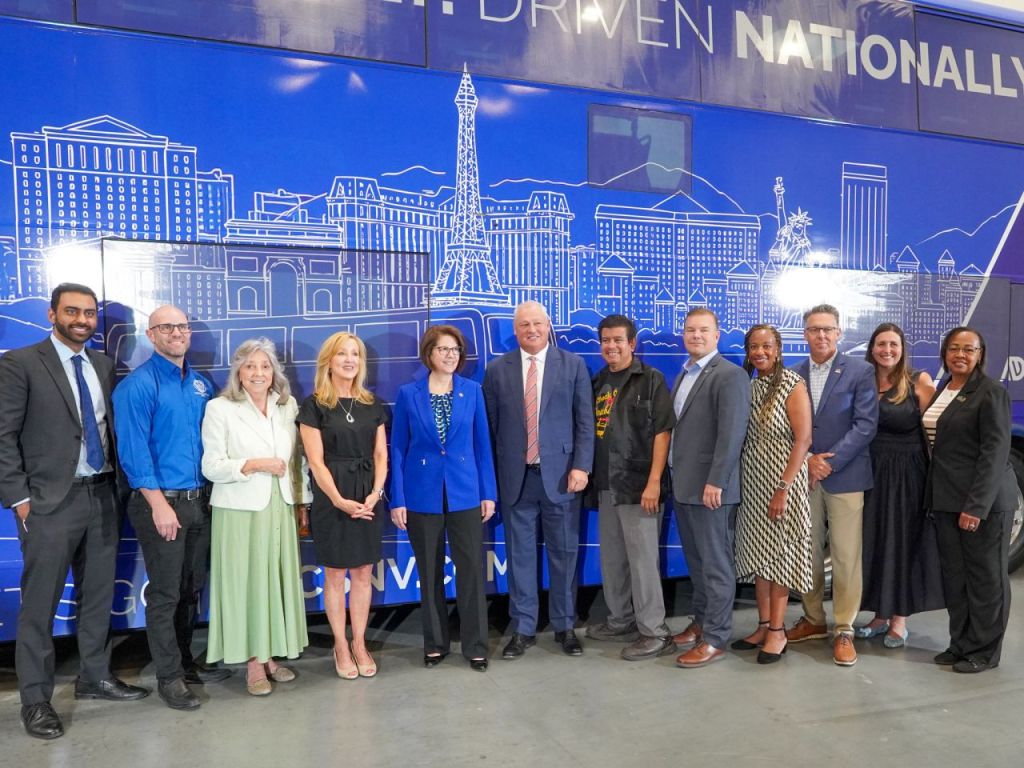
A new bus manufacturing facility has opened in North Las Vegas, marking a notable development in the ongoing transformation of public transportation across Southern Nevada. Operated by Alexander Dennis, a subsidiary of NFI Group, the facility is assembling double-decker buses for use by the Regional Transportation Commission of Southern Nevada (RTC). This marks the company’s first U.S. based production site of its kind, and local officials have positioned the project as a win for regional job creation and economic growth.
The facility’s opening reflects increasing collaboration between public agencies and private companies in the management and delivery of core civic services. While the RTC remains the public authority overseeing regional transit, the buses it operates are now built and assembled by a private manufacturer and operated by a private contractor. Transdev, which took over operations after acquiring Keolis North America, currently serves as the RTC’s contracted bus operator. The shift represents a significant structural change in how public transportation is both delivered and governed.
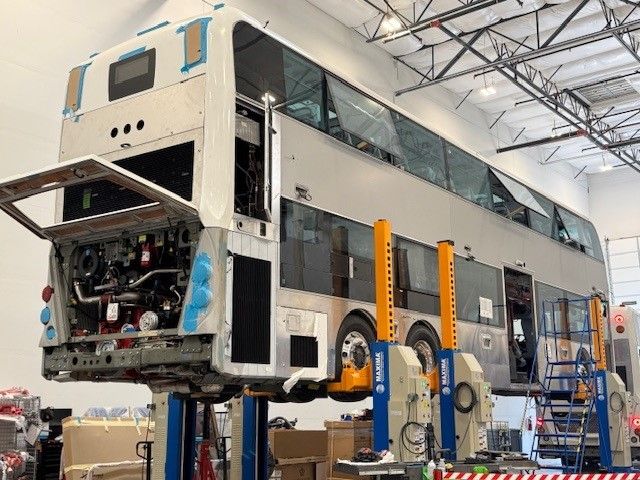

Supporters of this public-private arrangement emphasize its potential to attract outside investment, accelerate infrastructure improvements, and localize parts of the transit supply chain. The manufacturer notes that its facility will provide long-term economic benefits and create manufacturing roles that feed into the regional job market. The RTC and its partners have also celebrated the project’s alignment with federal goals to increase domestic transit production and reduce procurement timelines.

3×3 Vinyl Sticker
Sliding scale $3.00-$8.00

3×3 Vinyl Sticker
Sliding scale $3.00-$8.00
However, the scope of public spending involved extends well beyond the buses themselves. In addition to procurement contracts, local and federal resources have gone toward facility support, workforce training partnerships, and long-term operational subsidies. The regional transit system is funded through a mix of fare revenue, local sales taxes, and federal allocations, which are ultimately used to pay private firms for production, maintenance, and day to day operations.

These arrangements raise important questions about transparency and public oversight. As private firms take on larger roles in the delivery of essential services, the lines between public accountability and private management grow increasingly blurred. While contractors are held to performance metrics outlined in service agreements, the processes through which these deals are awarded—and the long-term financial commitments they entail—are often negotiated outside of public view.

3×3 Vinyl Sticker
Sliding scale $3.00-$8.00

3×3 Vinyl Sticker
Sliding scale $3.00-$8.00
Las Vegas is not alone in adopting this model. Across the U.S., transit systems are increasingly leaning on public-private partnerships to modernize infrastructure, streamline operations, and meet climate and equity goals. Yet observers warn that such models must be monitored carefully to ensure they do not sideline public interest or reduce long-term democratic control.
Discover more from KVIG Informative
Subscribe to get the latest posts sent to your email.


 KVIG Informative